Understanding Machine Translation MT and Its Real-World Performance
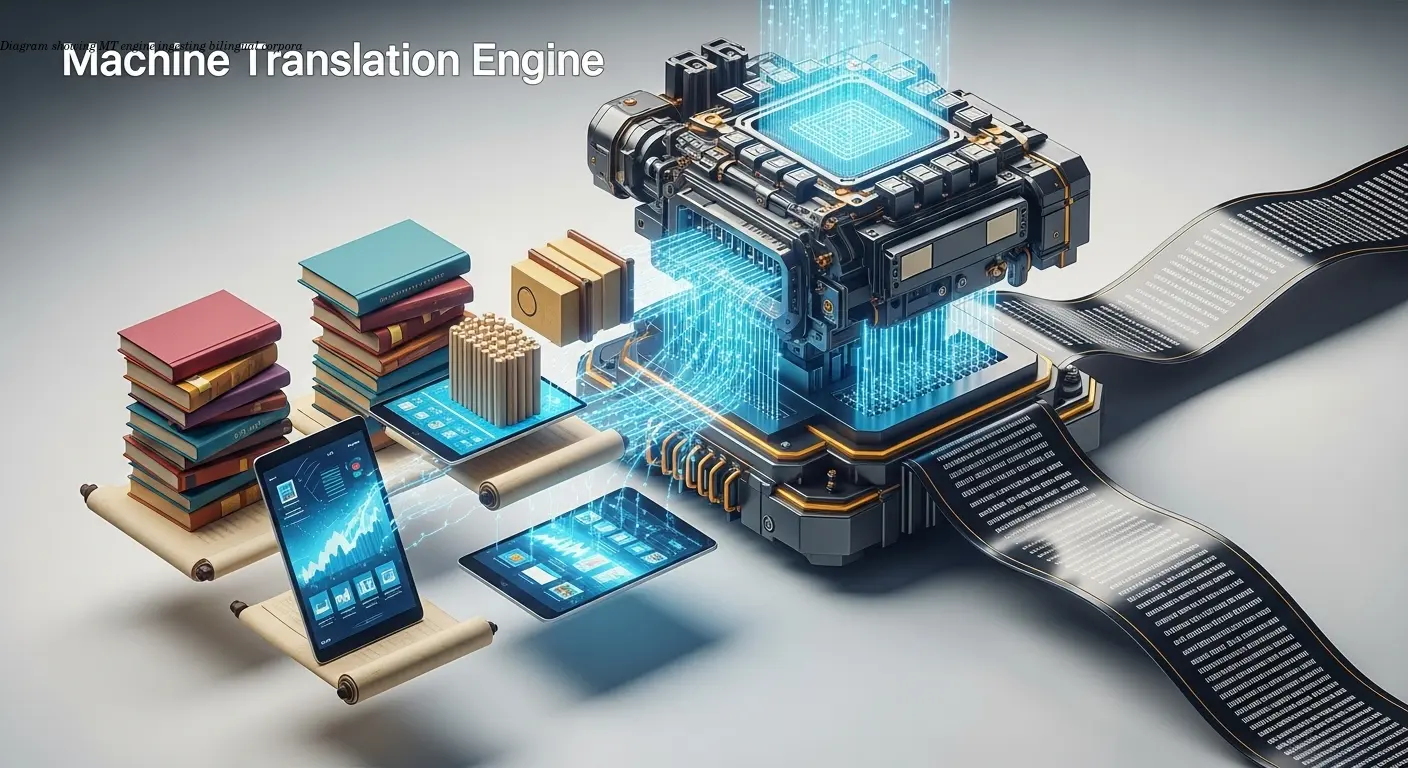
Machine translation (MT) has advanced tremendously from the poor outputs of a decade ago. Modern systems analyze massive datasets of translated content using statistical or neural models to produce translations in seconds. For straightforward, repetitive material—product specifications, basic instructions—MT can generate decent first drafts. However, for professional manual translation that preserves formatting and maintains quality, services like ManualTranslate combine AI efficiency with human expertise.
Example: Appliance manuals with standardized installation steps often translate reasonably well because the phrasing is formulaic and technical.
However, quality drops steeply for creative, culturally specific, or nuanced content. I reviewed an MT output for a washing machine brochure that rendered "gentle on fabrics" as something meaning "weak with cloth" in the target language—clearly not the intended message. The takeaway: MT is a tool, not a magic solution. It’s excellent for gisting content and handling high volume, but relying on it to replace skilled translators is a risky assumption that can cost you.
The Real Pros of Machine Translation and Post-Editing
There are legitimate reasons MT is popular. The speed is transformative for businesses with large content libraries. I worked with a retailer who needed 200+ product manuals in five languages—pure human translation would have taken months and cost far more.
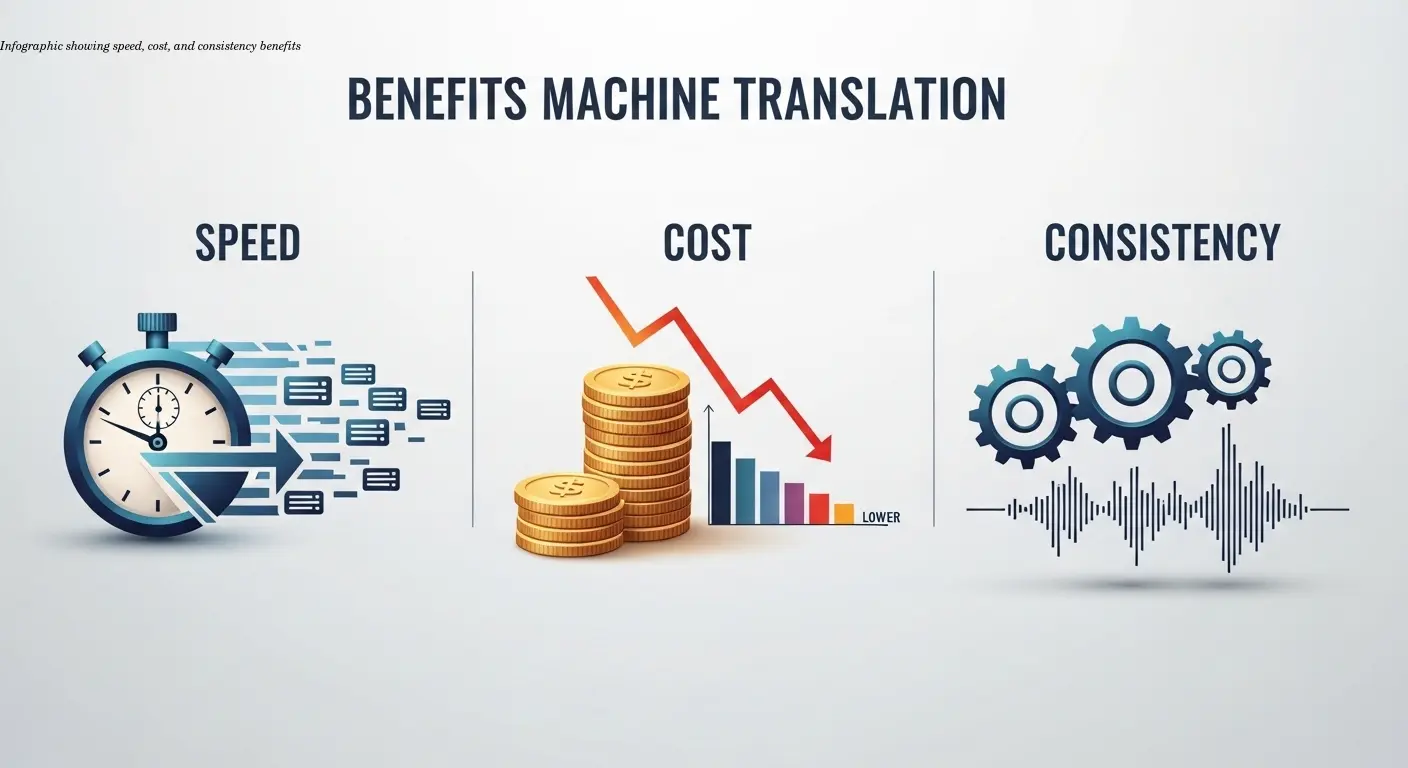
- Speed and volume handling: MT can produce a working draft of a 50-page manual in minutes instead of weeks, crucial for simultaneous multi-market launches or urgent customer support.
- Cost savings: MT with post-editing (MTPE) often costs 30–50% less than full human translation according to industry benchmarks, making multilingual expansion more attainable for tight-margin shops.
- Consistency: When fed translation memories and glossaries, MT applies preferred terminology uniformly across documents—reducing customer confusion and making documentation feel professional.
The efficiency gains let human translators focus on high-value tasks: refining, localizing, and ensuring brand voice rather than typing everything from scratch.
The Cons You Need to Know Before Committing
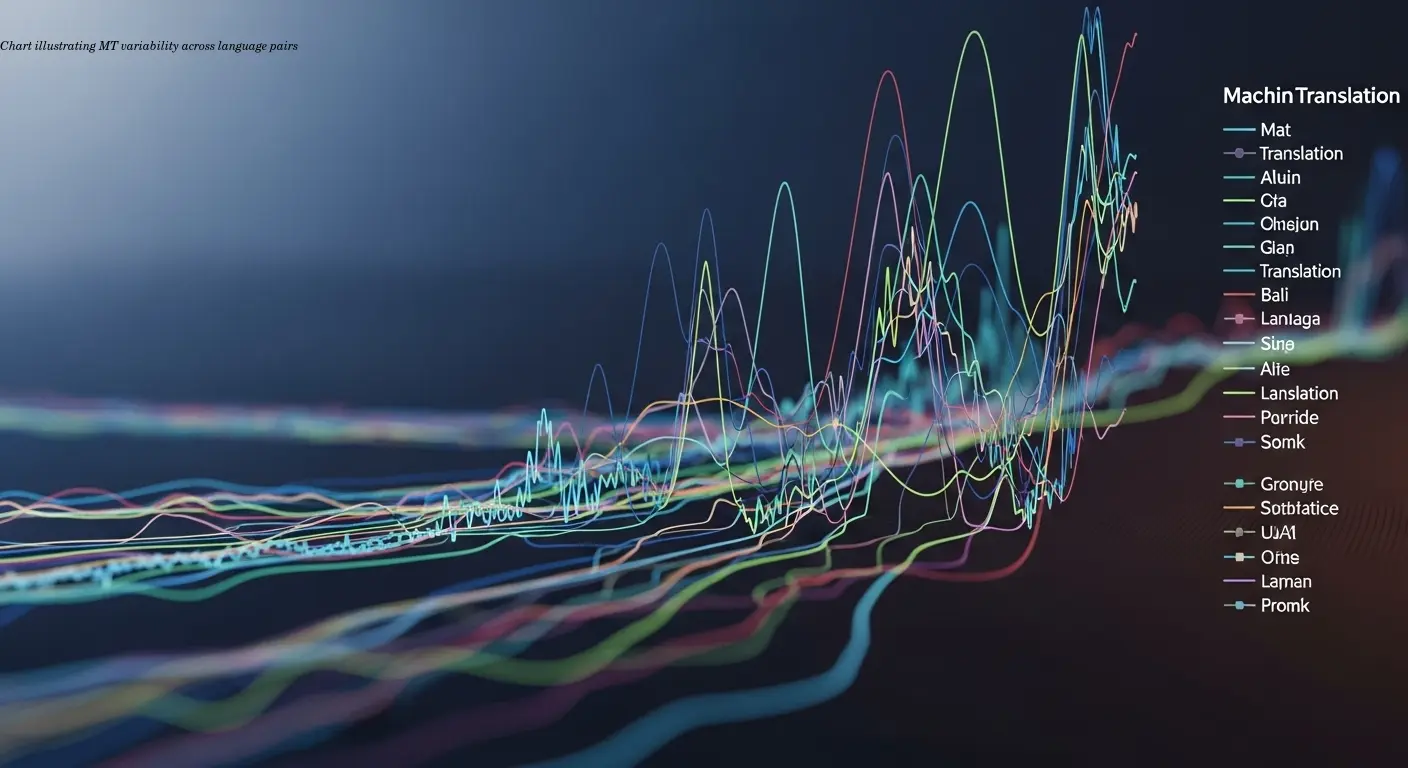
MT has limits: quality variability is the biggest operational headache. MT can translate technical text one day and fail on a simple marketing tagline the next. That unpredictability complicates planning.
Cultural and contextual misses: Machines lack cultural understanding, so humor, idioms, and local references often mistranslate. A refrigerator ad that relied on a local idiom about "keeping your cool" was rendered literally and lost its charm.
"Bad MT is sometimes harder to fix than translating from scratch—editors must unlearn the machine's suggestions."
Language pair performance varies: English→Spanish or French is usually solid; English→Vietnamese or Finnish can be hit or miss. Stylistic limitations make outputs sound robotic—a problem for customer-facing material that represents your brand.
Cost and Time Tradeoffs: Light vs Full Post-Editing
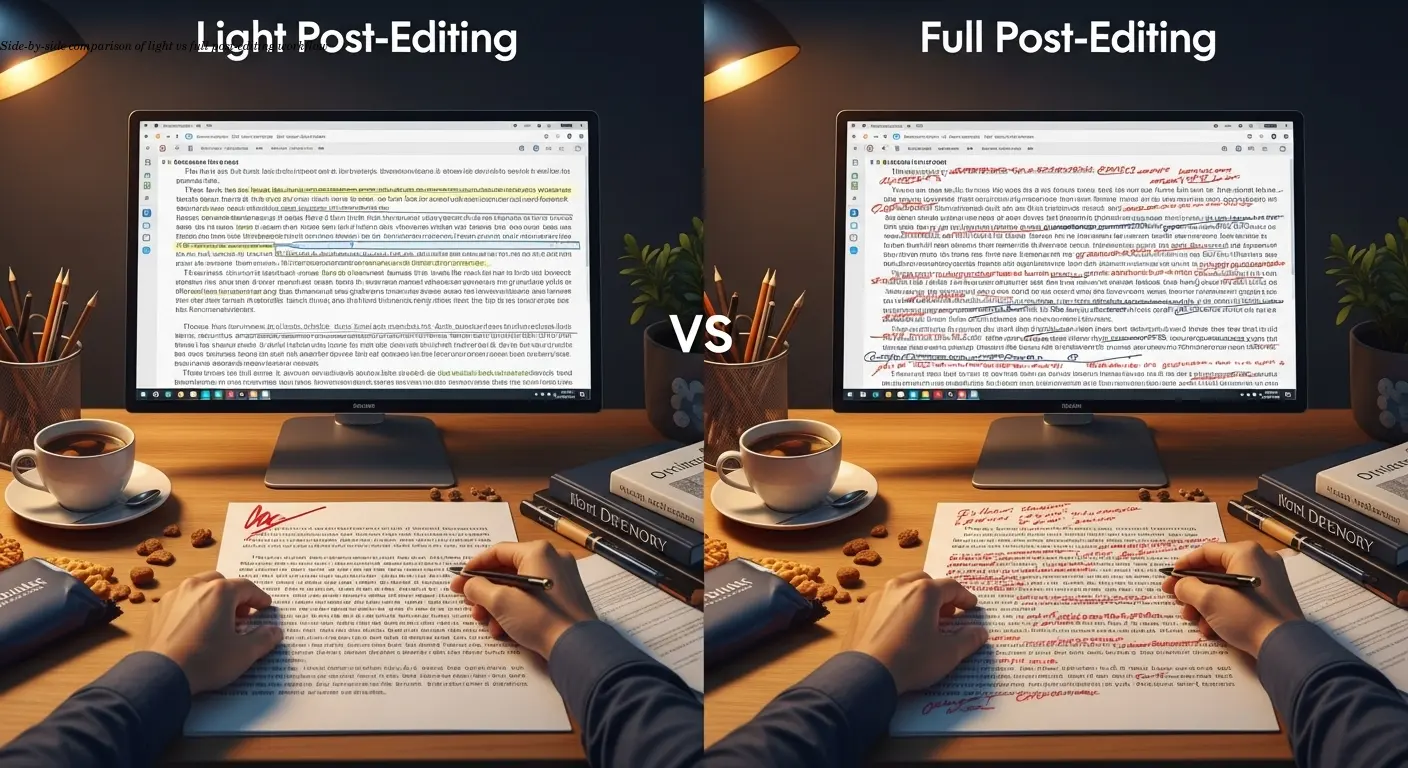
Understanding post-editing levels helps you allocate budget smartly.
Light post-editing
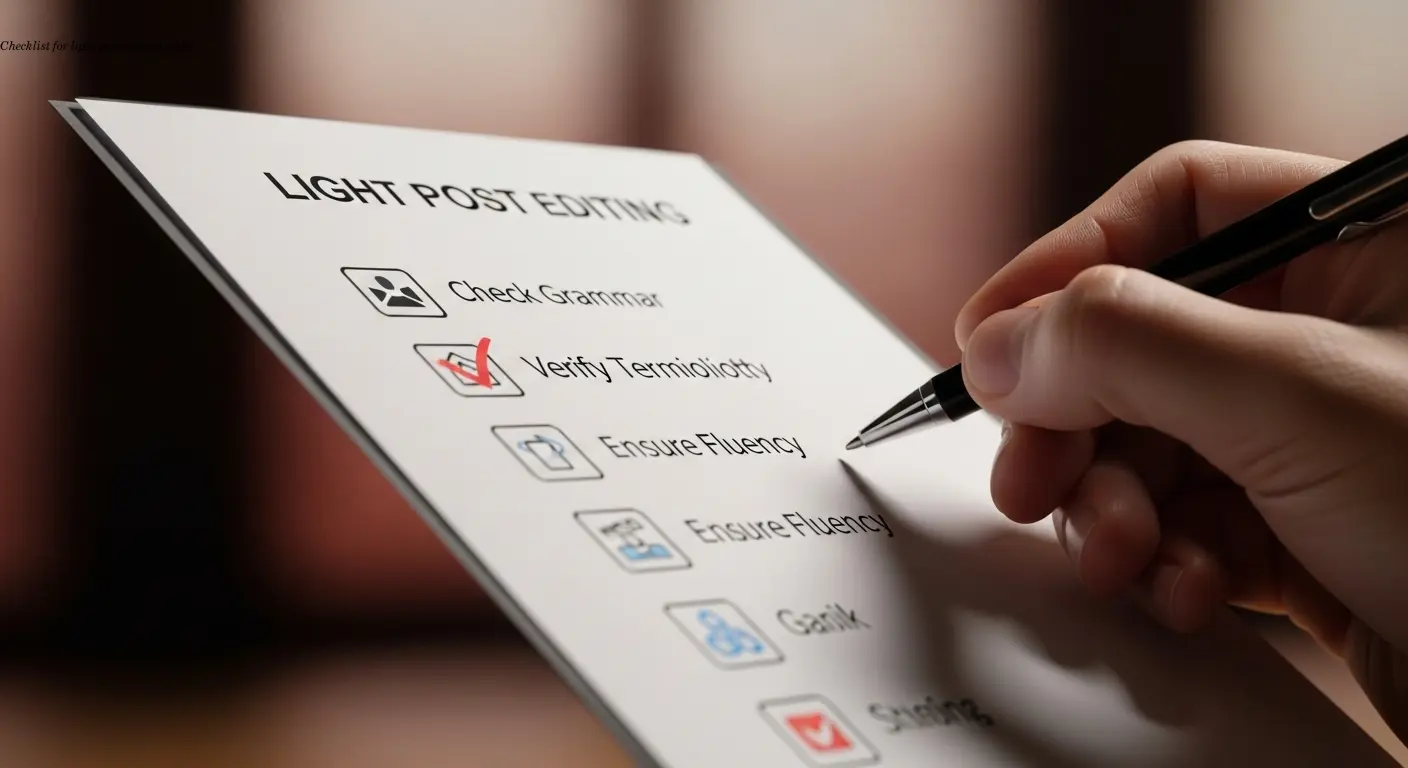
What it is: Fix obvious errors, mistranslations, and grammar but don't polish style. It's faster and cheaper—often 30–40% less than full post-editing. Ideal for internal documents and specs where clarity matters more than tone.
Example use case: technical FAQ sections where customers need clear answers about voltage or dimensions; elegant prose isn't required.
Full post-editing
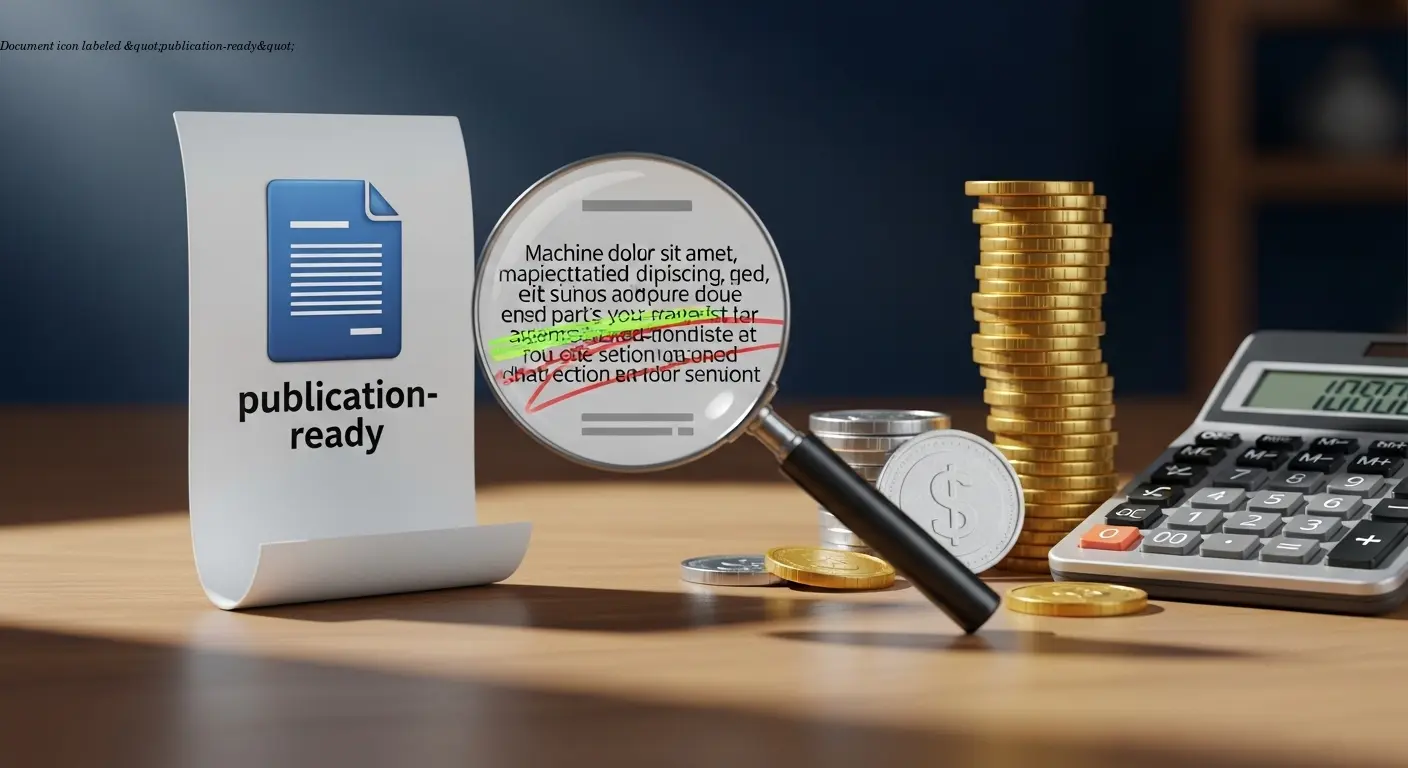
What it is: Produce publication-ready content that reads naturally in the target language. Slower and more expensive—sometimes reaching 70–80% of full human translation rates—but essential for marketing, warranties, and customer-facing materials.
The time vs benefit isn't linear: a high-quality MT draft might need only 15 minutes of light editing per page, whereas a poor draft could require an hour of full post-editing for the same page. Testing MT quality on representative samples is crucial before committing at scale.
One appliance maker runs test translations (5–10 pages) with both light and full post-editing to set realistic timelines and budgets before scaling translation efforts.
When Human Post-Editing Becomes Non-Negotiable
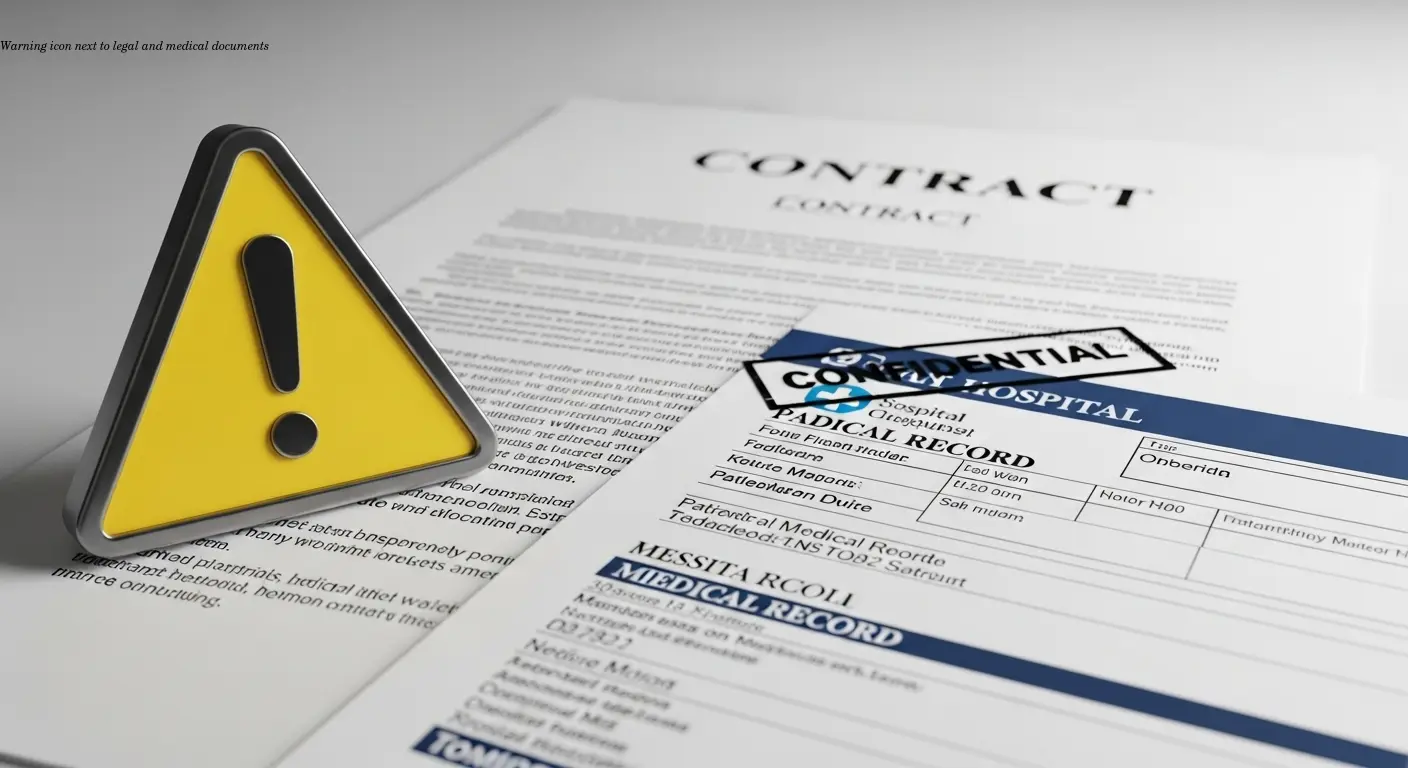
Some scenarios demand human intervention:
- Legal, medical, and safety-critical content: Errors can create liability. I know a case where a mistranslated safety warning led to a small fire because clearance instructions were misunderstood—legal costs far exceeded translation savings.
- Marketing and branding: MT can explain product features but can't craft persuasive, culturally adapted messaging that sells—humans do that work.
- Cultural sensitivity: Humans spot local taboos, color symbolism, and cultural norms that MT misses.
If MT quality is very poor—broken grammar, wrong terminology, nonsensical structure—you're paying human editors anyway, so invest in quality that matches the cost.
Quality Thresholds and Justifying Your Investment

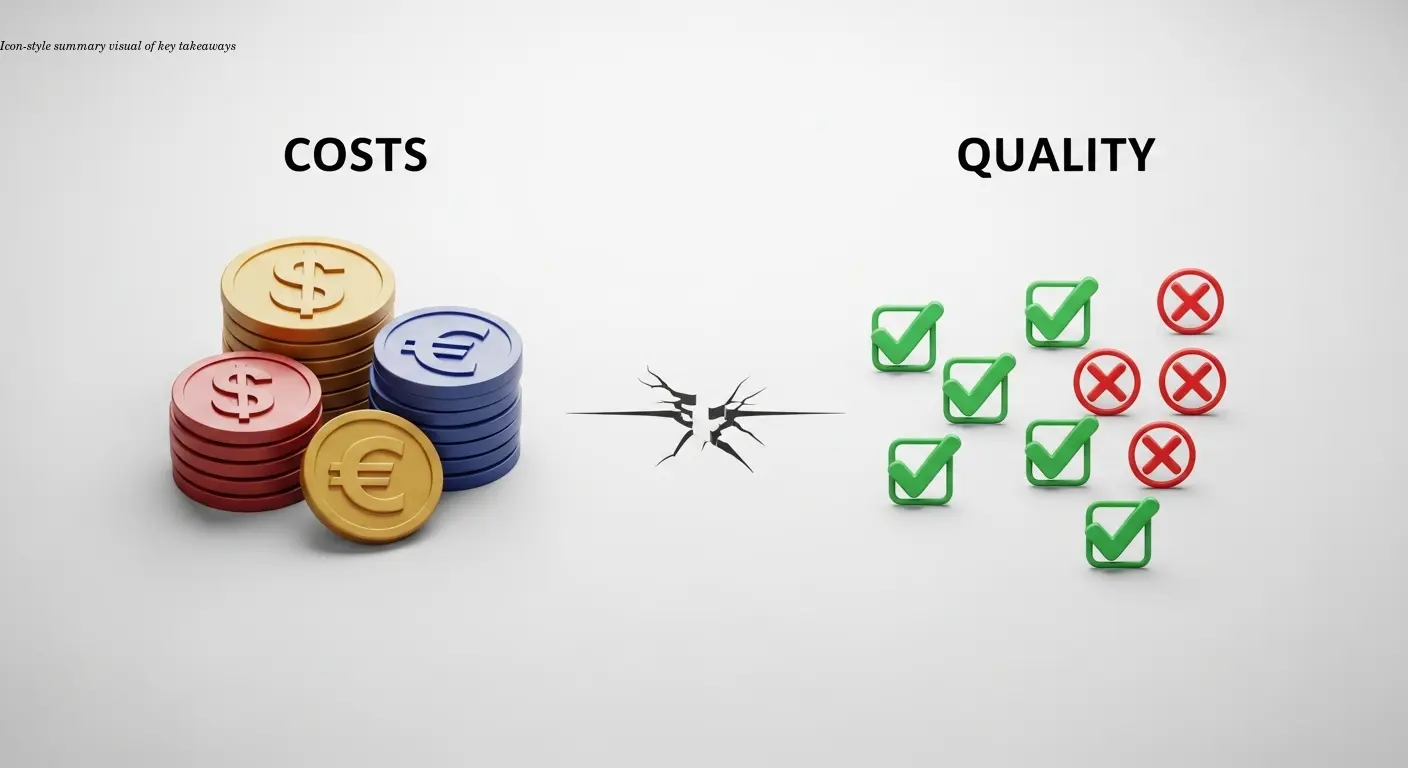
Decide whether MT makes financial sense by asking: does MT + post-editing cost less than human translation while meeting quality needs?
I use a simple framework: rate MT output on accuracy (factual correctness), fluency (readability), and terminology (domain terms). If all three score reasonably, MTPE probably works. If one or more fail, start with human translation.
Consider business impact: poor translations on customer-facing pages can reduce conversion and damage trust. A/B testing has shown professionally translated product pages convert 15–25% better than pages with obvious issues—often justifying higher translation costs.
Volume matters: MT infrastructure pays off at scale (10,000+ words/month). For sporadic small projects, setup and management overhead may favor direct human translation.
Best Practices for Maximizing Machine Translation MT Value
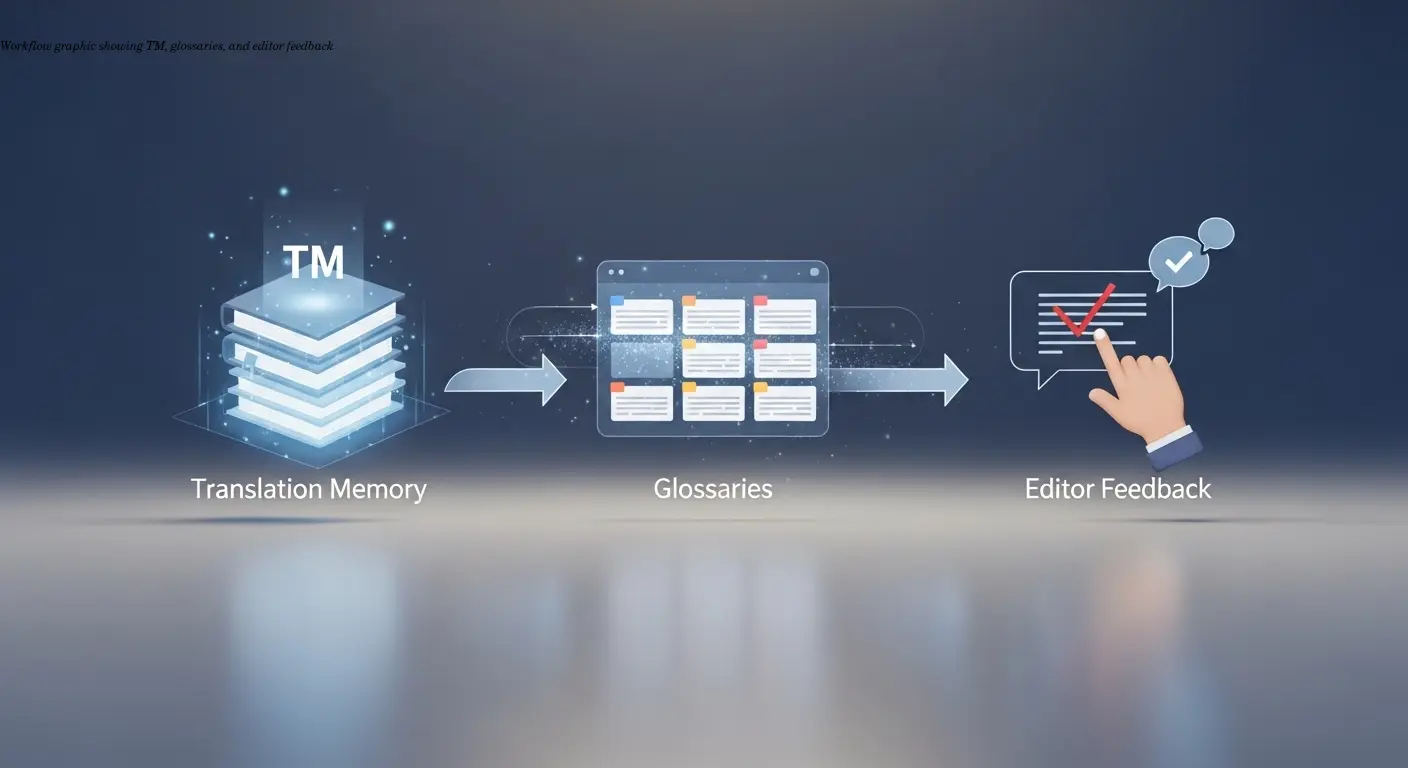
Quality input = better output. Clean your source text before MT: remove ambiguous pronouns, run-on sentences, and unclear references. Poor source content amplifies problems in MT output. For businesses looking to streamline this process, professional translation services can handle both the technical translation and quality assurance workflow.
- Use translation memories and glossaries: They significantly improve consistency and save post-editing time. One manufacturer cut post-editing time by 40% after six months of building translation memory.
- Pick post-editors experienced with MTPE: Post-editing is a distinct skill—look for editors who know how to work with machine drafts efficiently.
- Monitor recurring errors: Track consistent machine mistakes and feed corrections back into the workflow or quality checklist.
- Segment by content type: Use MT + light editing for manuals and specs; full post-editing for marketing; pure human translation for legal and medical.
These practices let you optimize cost and quality per content type rather than applying a one-size-fits-all strategy.
Making the Right Choice for Your Translation Needs

Match investment to actual requirements. Categorize content honestly: safety/legal = human; specs/dimensions = light MTPE; marketing = heavy human involvement. Test workflows on small batches (2,000–3,000 words) to measure real editing effort before scaling.
Consider competitive positioning: premium brands need polished translations that align with their market positioning; value brands may prioritize cost. Re-evaluate your approach periodically as MT systems improve and your translation needs evolve.
For newcomers to multilingual content, start with one language pair, learn, build translation memories, and then scale based on proven processes rather than assumptions.